Industry
The journey of your coffee
From the lush, green coffee farms in tropical regions to the meticulous roasting process, your coffee embarks on an incredible journey.

Introduction
Every cup of coffee tells a remarkable story from the soil where beans are nurtured to the moment it warms your hands. Understanding this journey helps us appreciate the craftsmanship, culture, and care behind each sip, while reminding us of the global connections hidden in a simple drink.Why It Matters
Why it matters
Learning about coffee’s journey connects consumers with the people and places that produce their favorite beverage.
Highlights the importance of sustainable farming
Supports fair trade and ethical sourcing
Builds appreciation for coffee craftsmanship
Coffee cultivation
Coffee beans grow on coffee plants in regions known as the “coffee belt,” where warm climates and rich soil create ideal growing conditions.
Farmers carefully cultivate the plants and harvest ripe coffee cherries, often by hand, to ensure quality.
“Coffee is a lot more than just a drink; it’s something happening. Not as in hip, but like an event, a place to be, but not like a location, but like somewhere within yourself.”
Processing and roasting
After harvesting, the cherries are processed to remove the fruit and reveal the beans inside. The beans are then dried and shipped to roasters around the world.
Roasting transforms the beans’ flavor, developing the rich aromas and notes that coffee lovers recognize.
From roaster to cup
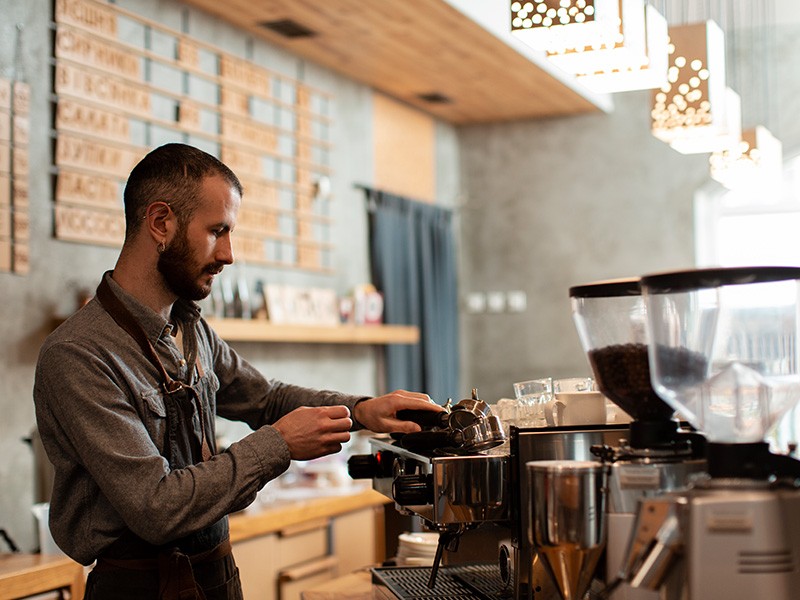
Once roasted, coffee beans are ground and brewed in cafés and homes. Every step—from grinding to brewing—plays a role in shaping the final flavor.
The journey from farm to cup reflects both global trade and local craftsmanship.



Industry
The journey of your coffee
From the lush, green coffee farms in tropical regions to the meticulous roasting process, your coffee embarks on an incredible journey.
Introduction
Every cup of coffee tells a remarkable story from the soil where beans are nurtured to the moment it warms your hands. Understanding this journey helps us appreciate the craftsmanship, culture, and care behind each sip, while reminding us of the global connections hidden in a simple drink.Why It Matters
Why it matters
Learning about coffee’s journey connects consumers with the people and places that produce their favorite beverage.
Highlights the importance of sustainable farming
Supports fair trade and ethical sourcing
Builds appreciation for coffee craftsmanship
Coffee cultivation
Coffee beans grow on coffee plants in regions known as the “coffee belt,” where warm climates and rich soil create ideal growing conditions.
Farmers carefully cultivate the plants and harvest ripe coffee cherries, often by hand, to ensure quality.
“Coffee is a lot more than just a drink; it’s something happening. Not as in hip, but like an event, a place to be, but not like a location, but like somewhere within yourself.”
Processing and roasting
After harvesting, the cherries are processed to remove the fruit and reveal the beans inside. The beans are then dried and shipped to roasters around the world.
Roasting transforms the beans’ flavor, developing the rich aromas and notes that coffee lovers recognize.
From roaster to cup
Once roasted, coffee beans are ground and brewed in cafés and homes. Every step—from grinding to brewing—plays a role in shaping the final flavor.
The journey from farm to cup reflects both global trade and local craftsmanship.
Industry
The journey of your coffee
From the lush, green coffee farms in tropical regions to the meticulous roasting process, your coffee embarks on an incredible journey.
Introduction
Every cup of coffee tells a remarkable story from the soil where beans are nurtured to the moment it warms your hands. Understanding this journey helps us appreciate the craftsmanship, culture, and care behind each sip, while reminding us of the global connections hidden in a simple drink.Why It Matters
Why it matters
Learning about coffee’s journey connects consumers with the people and places that produce their favorite beverage.
Highlights the importance of sustainable farming
Supports fair trade and ethical sourcing
Builds appreciation for coffee craftsmanship
Coffee cultivation
Coffee beans grow on coffee plants in regions known as the “coffee belt,” where warm climates and rich soil create ideal growing conditions.
Farmers carefully cultivate the plants and harvest ripe coffee cherries, often by hand, to ensure quality.
“Coffee is a lot more than just a drink; it’s something happening. Not as in hip, but like an event, a place to be, but not like a location, but like somewhere within yourself.”
Processing and roasting
After harvesting, the cherries are processed to remove the fruit and reveal the beans inside. The beans are then dried and shipped to roasters around the world.
Roasting transforms the beans’ flavor, developing the rich aromas and notes that coffee lovers recognize.
From roaster to cup
Once roasted, coffee beans are ground and brewed in cafés and homes. Every step—from grinding to brewing—plays a role in shaping the final flavor.
The journey from farm to cup reflects both global trade and local craftsmanship.